When the Control Techniques Unidrive SP controlling the AHU-2 extract fan failed on a commercial site in central London, the client's first instinct was to order a direct replacement. That wasn't possible — the Unidrive SP is a discontinued platform, and lead times on reconditioned units through specialist suppliers were running at eight to twelve weeks. With the extract fan out of service, the building's ventilation system was operating on the supply fan only, creating positive pressure in the occupied floors and inadequate air changes in the plant room itself. The client needed a solution within days, not months.
This is a scenario that comes up regularly on buildings with mechanical plant installed in the early 2000s. The original inverter drives — Control Techniques Unidrive, ABB ACS series, Siemens Micromaster — were well-made equipment that has served reliably for a decade or more, but they're reaching end of life and direct replacements are increasingly difficult to source. The practical answer is cross-manufacturer substitution: selecting a current-production drive with compatible specifications and reusing the existing motor, wiring, and BMS interface.
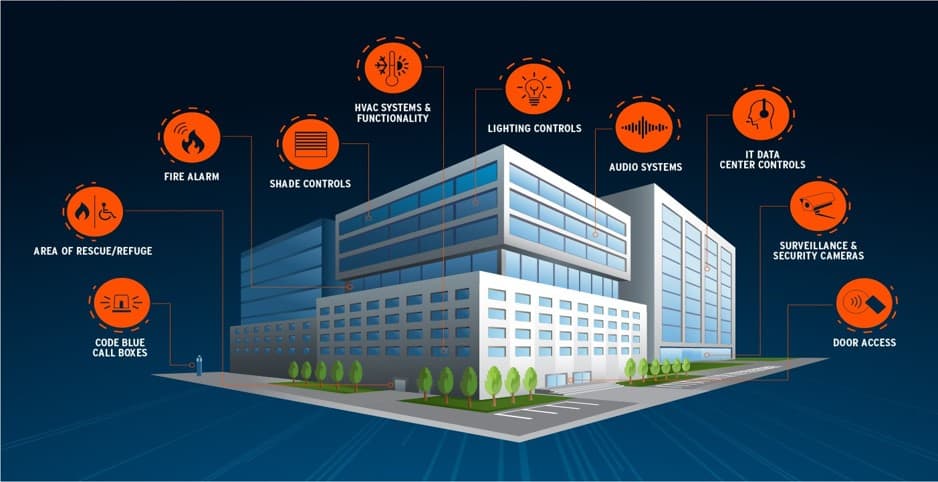
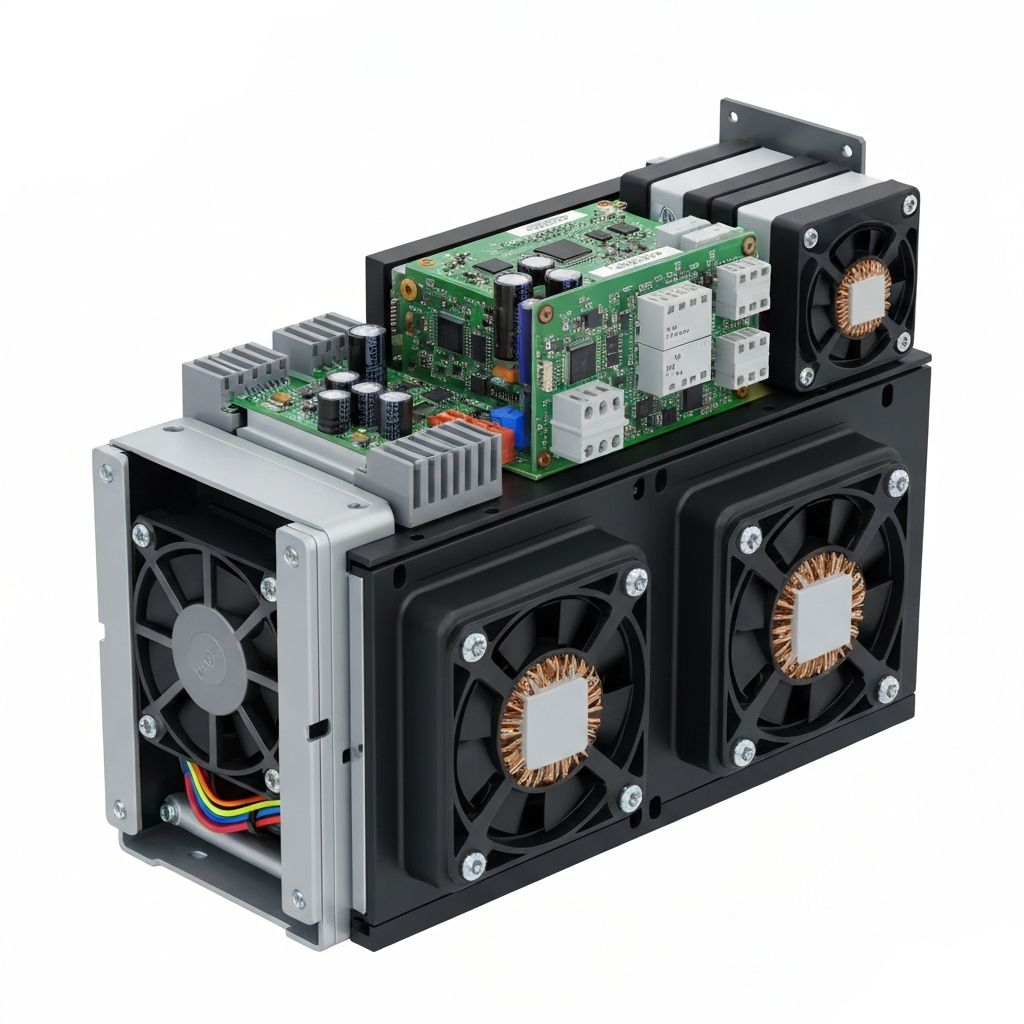
For this project, we selected a Vacon NXP as the replacement for the Unidrive SP. The selection criteria were straightforward: matching the power rating and frame size to fit the existing panel enclosure, confirming compatibility with the motor's electrical characteristics (voltage, current rating, motor type), and verifying that the Vacon NXP's analogue input and digital output specifications matched the BMS interface signals the control system was expecting.
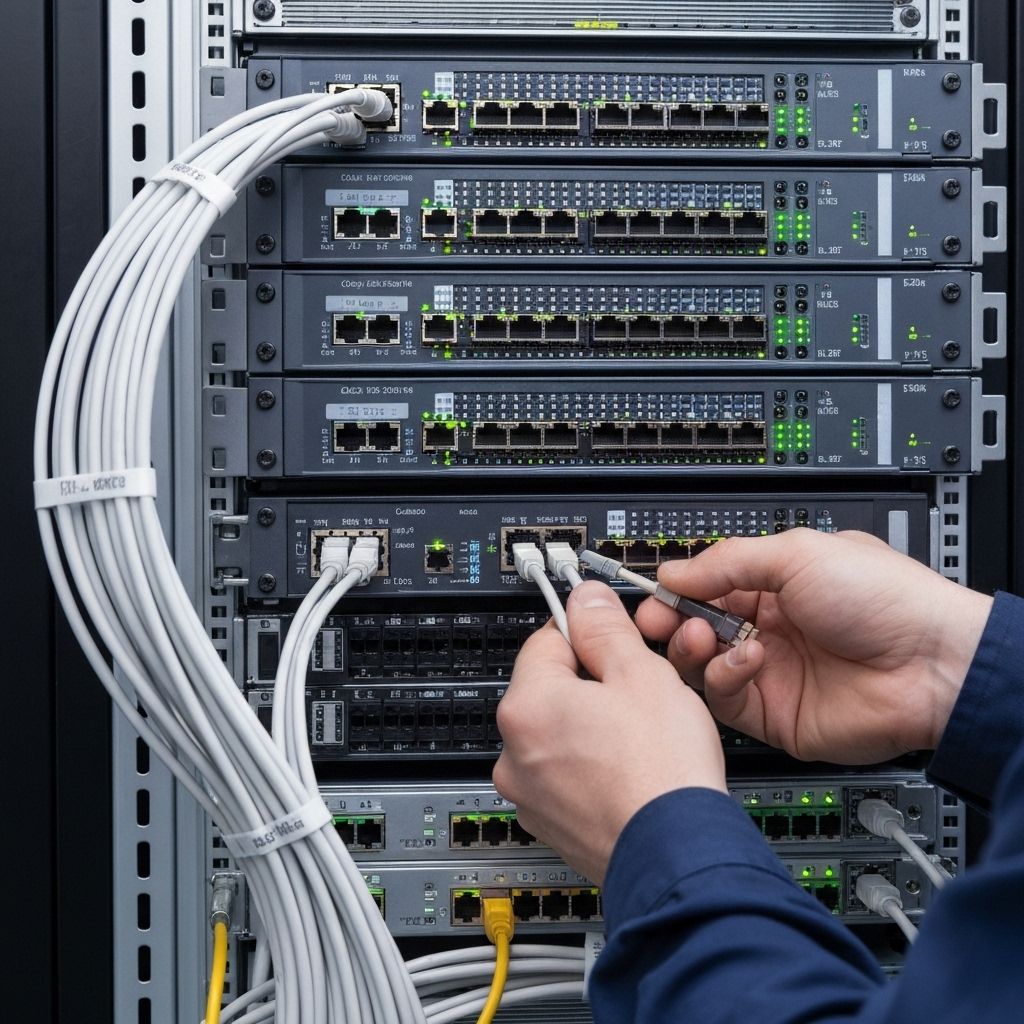
The BMS was providing a 0-10V speed reference signal to the drive's analogue input — the standard control interface for variable speed AHU drives in commercial BMS installations — and expecting a digital run status feedback to confirm the fan was running. The Vacon NXP supports this interface natively, which simplified the commissioning process significantly. Where a drive replacement involves a different control interface (for example, where the original drive used a proprietary serial protocol that the replacement doesn't support), an additional signal converter or reprogramming of the BMS application may be required.
The installation was carried out during a planned weekend access window to minimise disruption to building operations. Electrical isolation was established and confirmed via the panel isolator, motor supply and control wiring was disconnected from the Unidrive, the replacement Vacon NXP was mounted in the existing enclosure panel, and power and control connections were rewired to the new drive terminals. Motor parameters — rated voltage, rated current, rated frequency, rated speed — were programmed into the Vacon NXP from the motor nameplate data, and acceleration and deceleration ramps were set to match the original drive's commissioning values.
Protective settings — motor thermal protection, overload trip threshold, undercurrent detection for belt loss — were configured and verified. The 0-10V BMS reference signal was confirmed at the drive's analogue input terminal, the run feedback digital output was wired to the BMS controller, and the drive was run through its full speed range under BMS command to verify the speed reference and feedback were operating correctly. Total downtime from plant isolation to return-to-service was under four hours.
The urgency of this particular job was avoidable. The Unidrive SP that failed had been flagged as approaching end of life during a routine BMS maintenance visit eighteen months earlier — the fault history showed an increasing frequency of drive trips and the operating hours counter indicated the drive had been in service for over 14 years. The recommended action at the time was to schedule a planned replacement during a low-occupancy period, which would have allowed proper lead time for drive selection, factory testing, and a controlled installation without the time pressure of an occupied building operating on partial ventilation.
For facilities managers responsible for buildings with inverter drives installed before 2015, a programme of condition assessment and planned replacement is worth considering. The drives are not going to last indefinitely, the original equipment is no longer available, and an unplanned failure during occupied hours creates exactly the kind of programme pressure that leads to rushed decisions and increased cost.
Alpha Controls carries out inverter assessments, planned drive replacements, and emergency fault response across commercial buildings in London, Kent, and the South East. If you have ageing drives in your plant rooms that haven't been reviewed recently, get in touch.
Our team of building automation specialists is ready to help you optimise your building's performance and efficiency.
Get in Touch