Alpha Controls - BMS Install Specialists
ResourcesAboutProjectsContact
info@alphacontrols.io01474 552200
Get a Quote
Alpha Controls

Professional Building Energy Management Systems installation and electrical engineering services across the UK.

Quick Links

  • About Us
  • Projects
  • Resources
  • Blog
  • Contact
  • Careers

Services

  • BMS Installation
  • Controls Systems
  • Electrical Services
  • Maintenance

Contact

  • 01700 800121

    Emergency FM & BMS Advice

  • 01474 552200
  • info@alphacontrols.io
  • Gravesend, Kent
    United Kingdom

© 2026 Alpha Controls LDN. All rights reserved.

SafeContractor ApprovedBCIA MemberConstructionLine Gold
Why Modern Buildings Are Sealed and Why AHUs Are Essential for Fresh Air
Back to Blog
BMS Technical

Why Modern Buildings Are Sealed and Why AHUs Are Essential for Fresh Air

8 February 2025
14
By Alpha Controls

Modern Buildings Are Sealed — And Why AHUs Are Now Essential

One of the biggest changes in commercial building design over the last 20 years is the move towards sealed, airtight buildings. In older buildings, occupants could crack a window open and rely on natural ventilation. But in almost every modern high-rise office, hotel, or commercial development, the windows do not open.

This isn't a design mistake — it's deliberate.
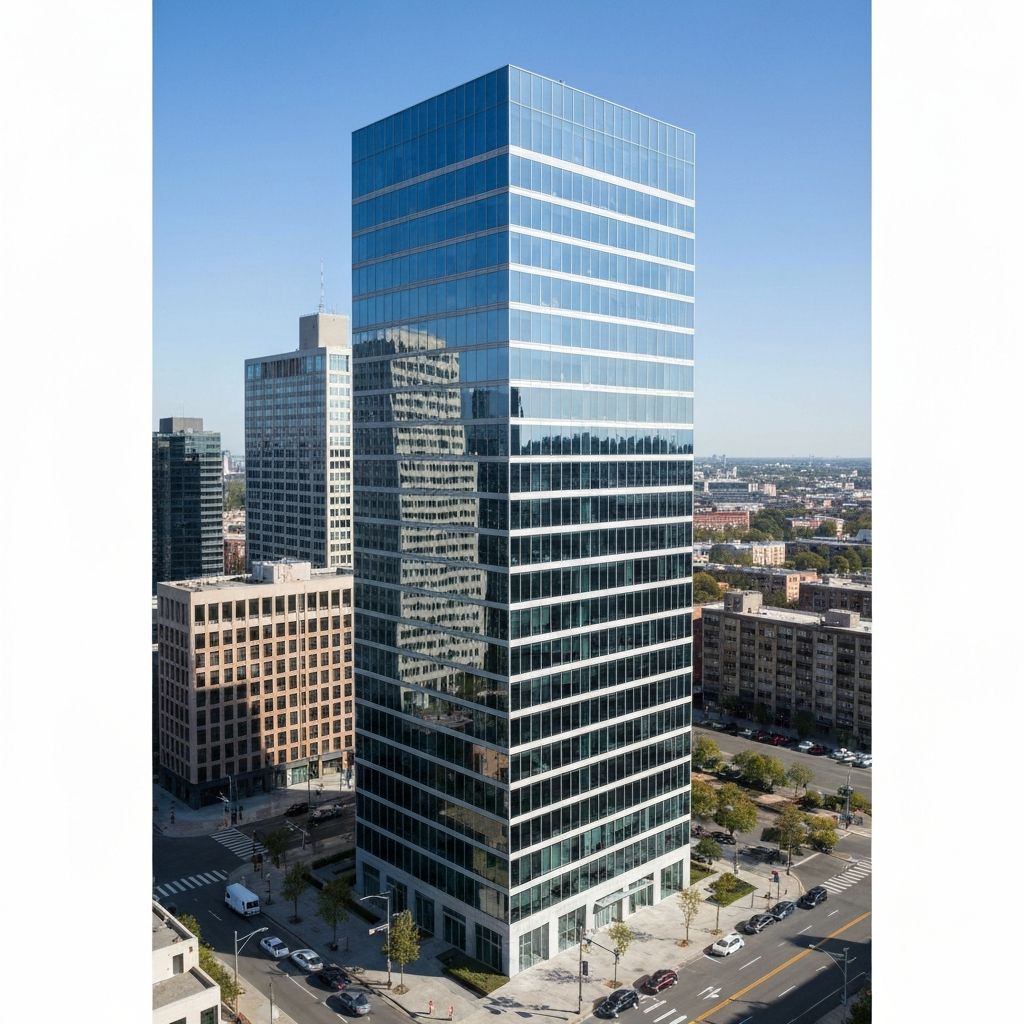
Modern sealed building facade with fixed glazing

Modern Buildings Are Sealed for Four Key Reasons

1. Energy Efficiency (Part L Compliance)

Openable windows make it impossible to control:

  • Heat loss in winter
  • Heat gain in summer
  • Mechanical heating/cooling loads
  • Carbon emissions

A sealed façade allows the building to maintain:

  • Stable internal temperatures
  • Lower HVAC running costs
  • Controlled humidity
  • Consistent pressure levels

Without control, energy consumption skyrockets. Sealed buildings stop this.

2. High-Rise Safety Regulations

On tall buildings, openable windows create serious risks:

  • Fall hazards
  • High wind forces creating pressure surges
  • Wind tunnels and slamming hazards
  • Objects being blown out of the building
  • Uncontrolled smoke movement during a fire

Height = risk, and the only safe choice for most buildings above 6–8 floors is sealed, fixed glazing.

3. Air Quality & Compliance

Standards such as:

  • CIBSE Guide B
  • Approved Document F
  • WELL Building Standard
  • BS EN 16798

...require predictable, measurable air changes per hour.

You cannot meet these with open windows because:

  • ❌ You cannot measure the airflow
  • ❌ You cannot control supply rates
  • ❌ You cannot guarantee outdoor air quality
  • ❌ You cannot filter pollutants, pollen, VOCs, exhaust fumes
  • ❌ You cannot coordinate airflow with fire strategy

Modern workplaces need filtered, conditioned, monitored air.

Only an AHU can deliver that.
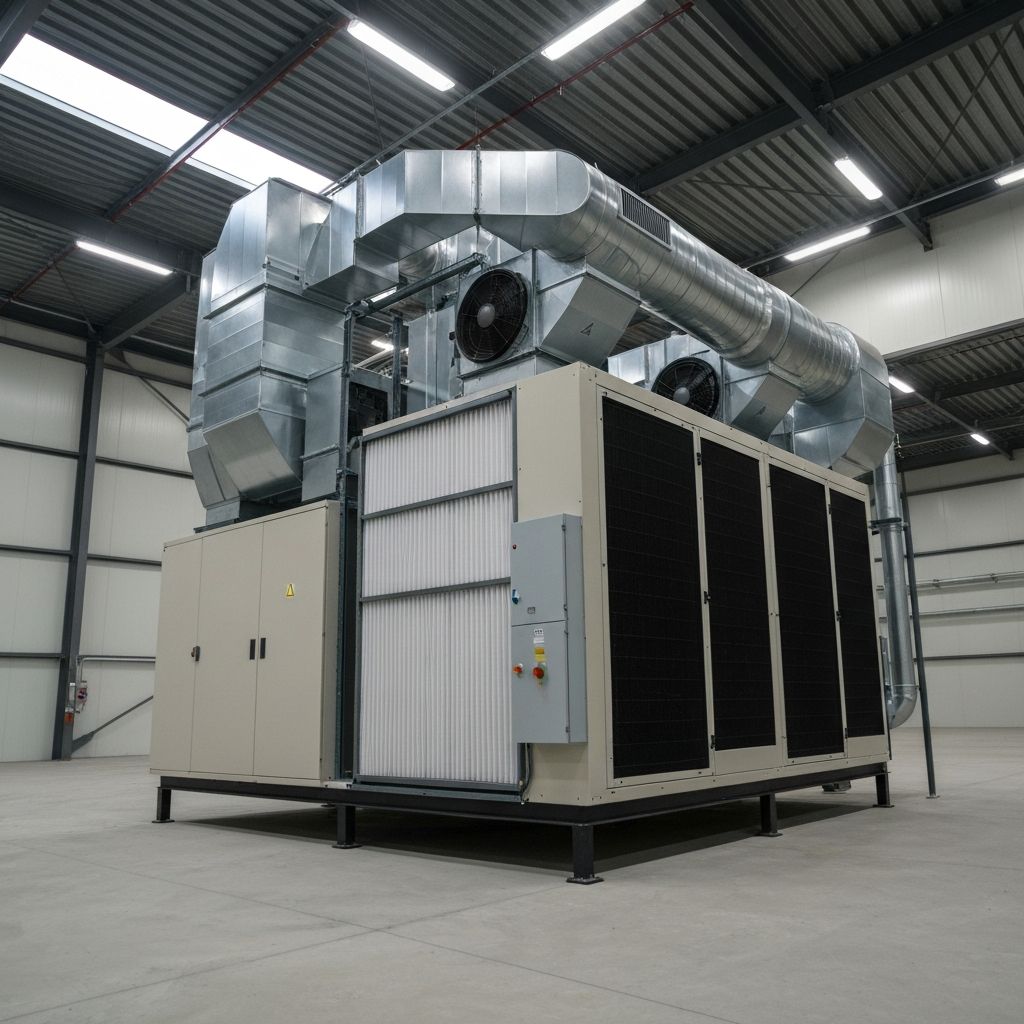
AHU filtration and air quality control system

4. Pressure Control in High-Rise Buildings

High-rise structures experience stack effect — warm air rising through the building, creating large pressure differences between floors.

If windows could be opened:

  • Lower floors would draw in uncontrolled cold air
  • Upper floors would leak warm air out
  • Fire smoke would move unpredictably
  • Doors would slam or fail to close against the pressure
  • FCUs would operate outside design conditions

By sealing the building, designers ensure that all airflow is intentional and controlled through mechanical ventilation.

And that mechanical ventilation comes from AHUs.
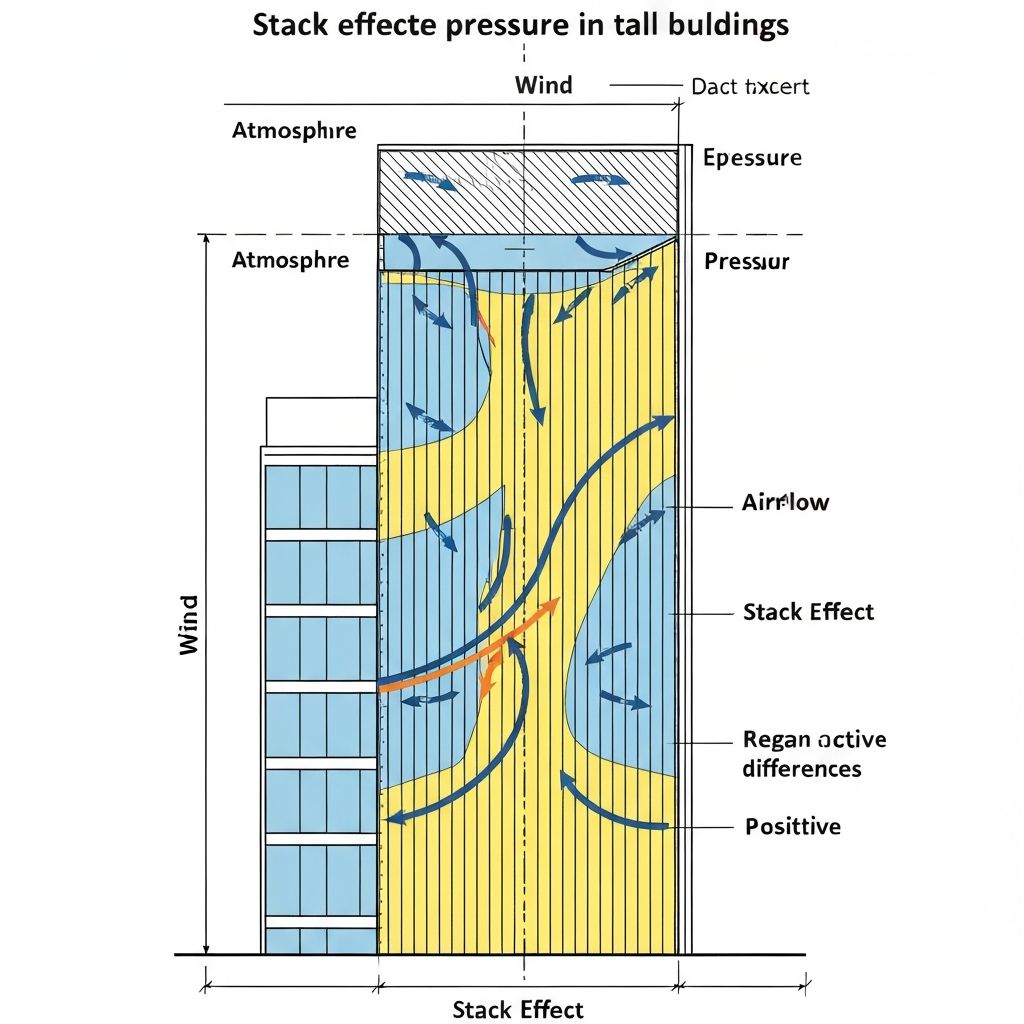
Stack effect diagram showing pressure differences in tall buildings

So Why Are AHUs So Important in Modern Buildings?

Because in a sealed building:

  • ✅ You cannot get fresh air naturally
  • ✅ You cannot cool the building with open windows
  • ✅ You cannot dilute CO₂ levels without mechanical ventilation
  • ✅ You cannot remove pollutants without filtration
  • ✅ You cannot control humidity without conditioned air
  • ✅ You cannot meet building regs without ventilation rates

The AHU becomes the building's lungs.

Diagram showing AHU as the lungs of a sealed building

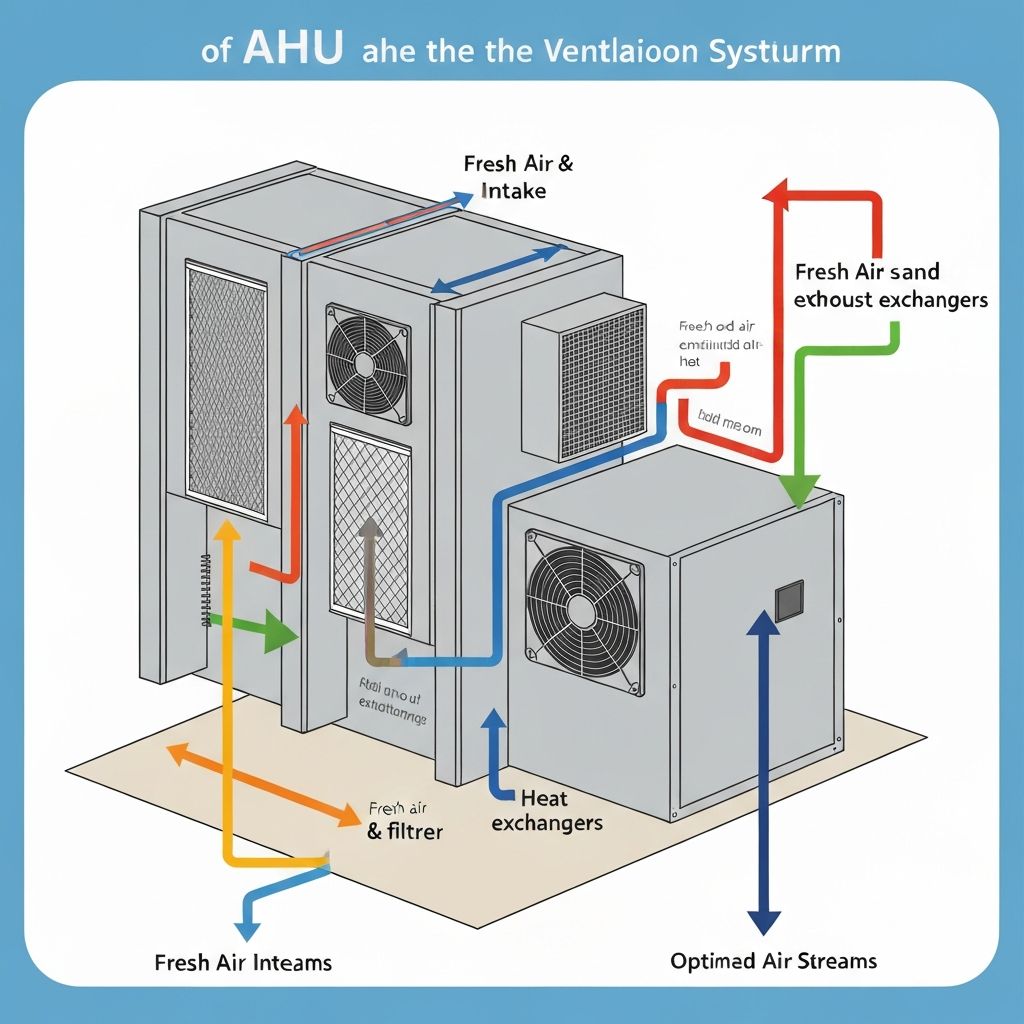
An AHU Provides:

  • Fresh air intake
  • Filtration (G4 / F7 / ISO ePM)
  • Heating & cooling through LPHW/CHW coils
  • Humidity control (where needed)
  • Pressure balancing
  • Heat recovery
  • Smoke/fire interlocks
  • Exhaust air removal

Everything that open windows historically did — but controlled, measured, and safe.
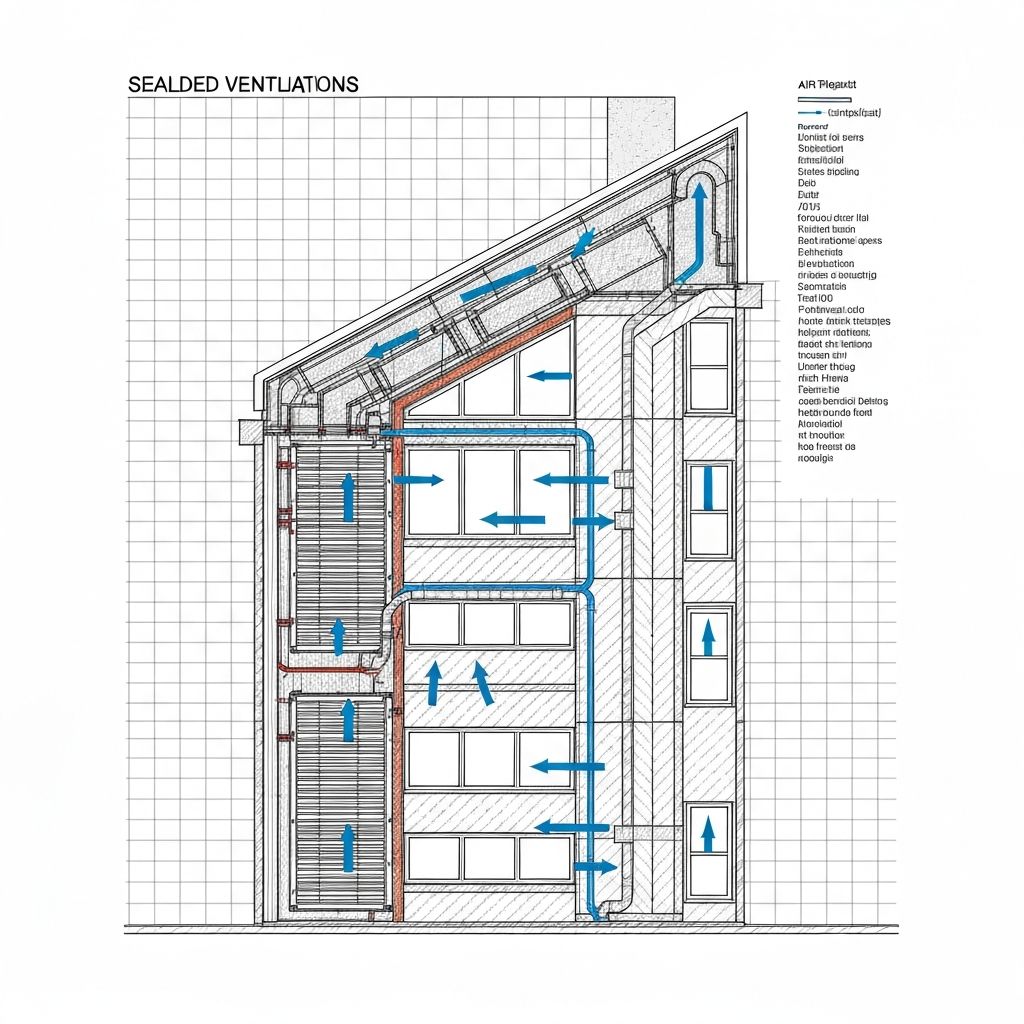
Diagram: Sealed Building Façade (Windows Don't Open)

Sealed building facade showing no openable windows and mechanical ventilation only
             ┌───────────────────────────┐
             │     SEALED FACADE          │
             │  (No openable windows)     │
             └─────────────┬──────────────┘
                           │
                           │ Fresh air cannot enter naturally
                           ▼
              All ventilation is provided
          ONLY through mechanically driven
              Air Handling Units (AHUs)
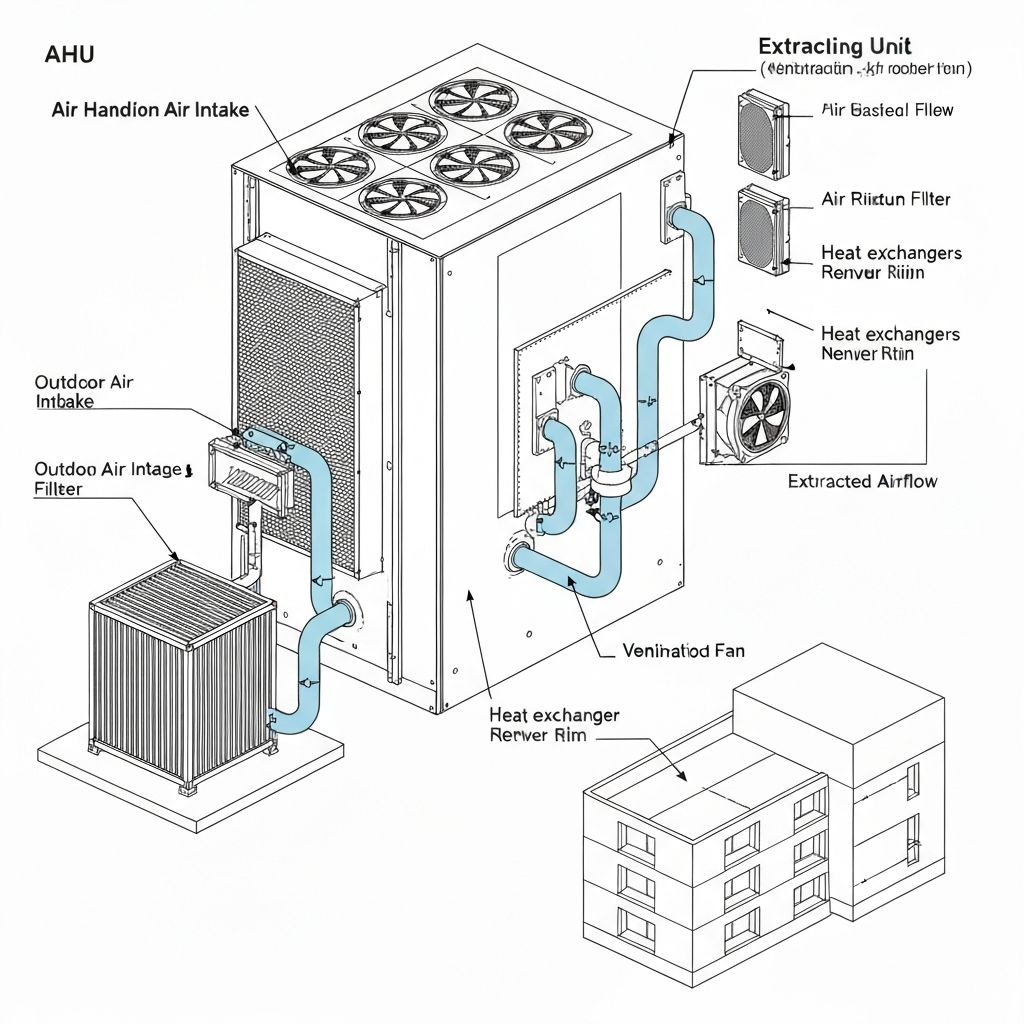
      

Diagram: AHU as the Building's Lungs

AHU system diagram showing fresh air intake and exhaust
                ┌──────────────────────┐
 Outside Air →  │        AHU           │  → Supply Air to Floors
                │  Filters / Coils     │
 Extract Air ←  │  Fans / Dampers      │  ← Return Air from Floors
                └──────────────────────┘
      

What Happens Without an AHU in a Sealed Building

Sealed Building (No Windows Opening)
│
├─ No fresh air enters
├─ CO₂ levels rise
├─ VOCs accumulate
├─ Humidity becomes unstable
└─ FCUs recirculate stale air

AHUs prevent all of these issues.
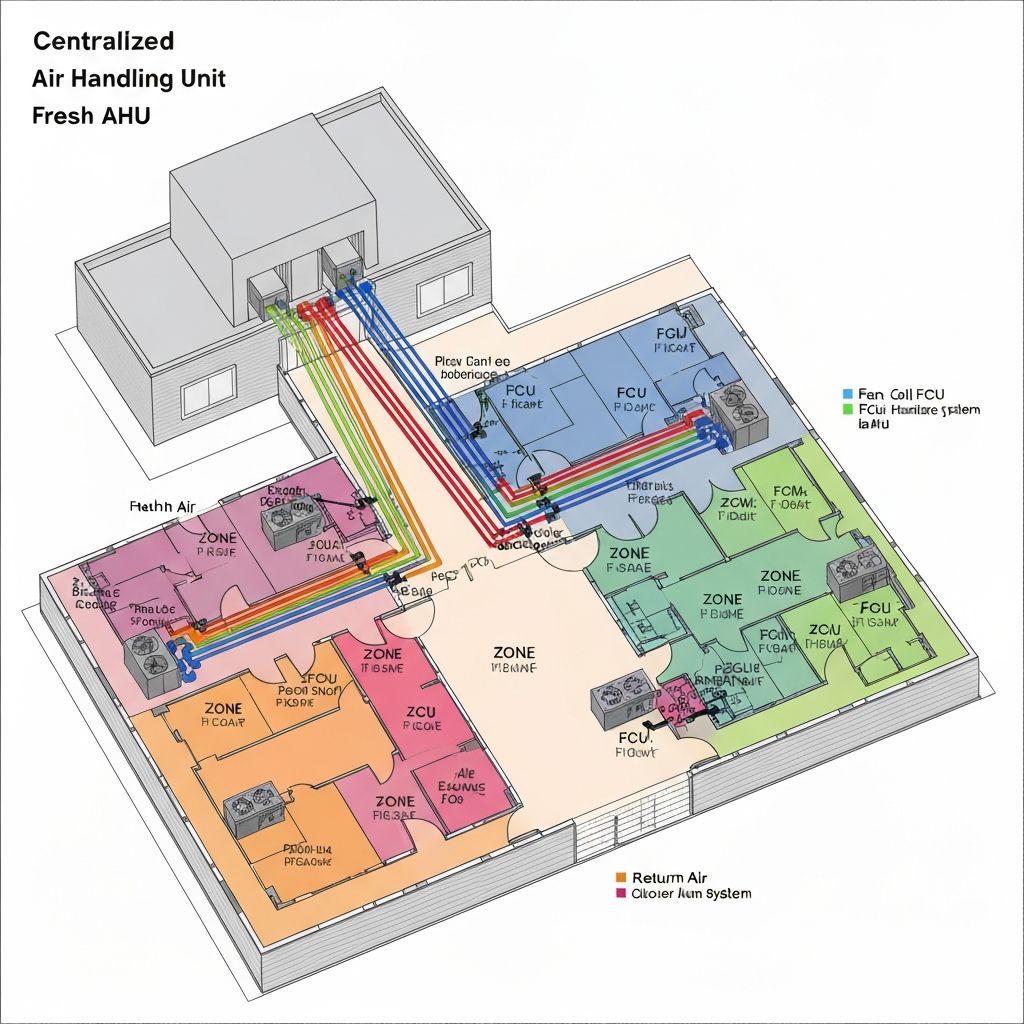
      

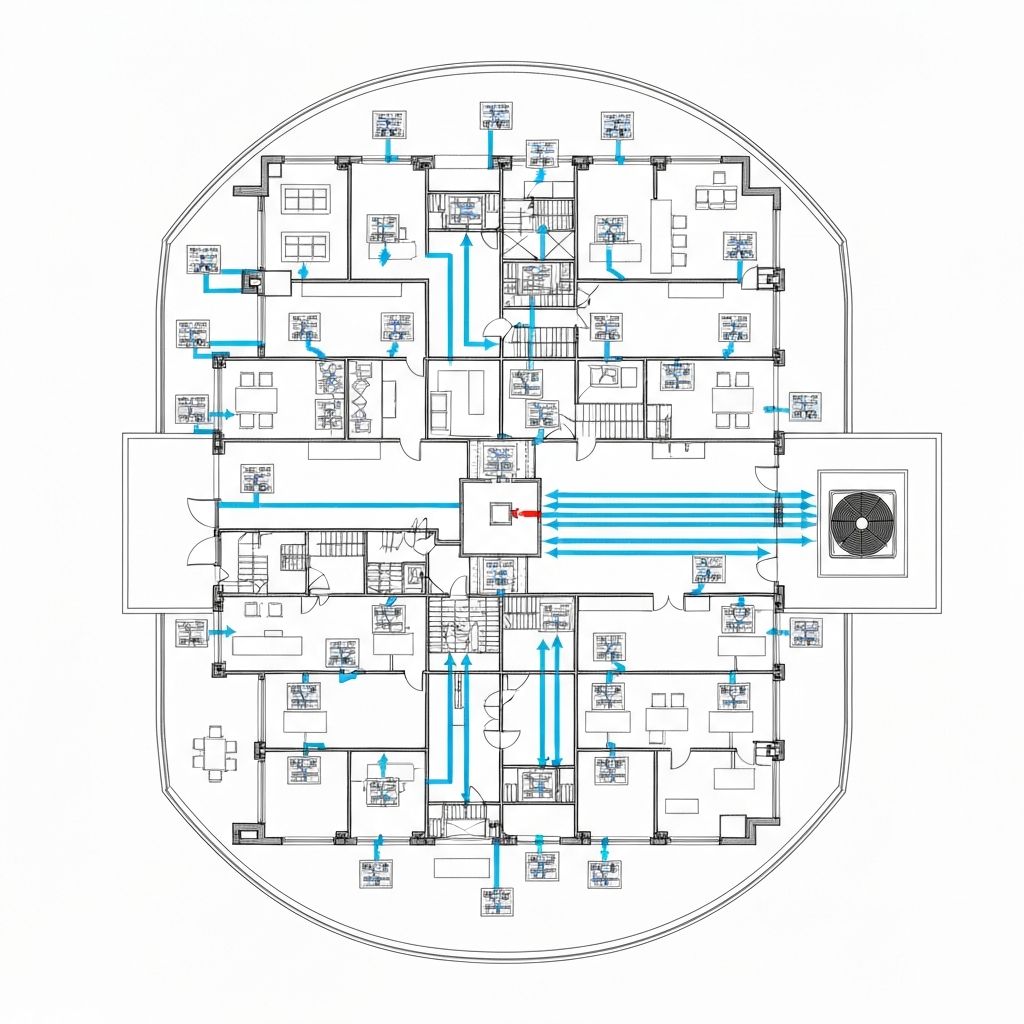
Typical AHU–FCU Relationship

Diagram showing AHU supplying fresh air to multiple FCU zones

Diagram: AHU Supplying Fresh Air to FCU Network

                     ┌───────────────┐
                     │     AHU       │
Outside Air  ───►    │  (5–7 m³/s)   │   ───► Supply Air Ductwork
                     └───────┬───────┘
                             │
                             │ Fresh, filtered, temperature-conditioned air
                             ▼
             ┌───────────────────────────────────┐
             │            FLOOR                   │
             │                                    │
             │   FCU1   FCU2   FCU3   ...   FCU40│
             │   (Local heating/cooling only)    │
             └───────────────────────────────────┘

Return Air → Back to AHU for exhaust/mixing/heat recovery
      

What Each System Actually Does

AHU (Ventilation System) FCUs (Room Comfort Units)
✓ Fresh Air Intake ✓ Local Heating/Cooling Only
✓ Filtration ✗ No Fresh Air
✓ Heating & Cooling Coils ✗ No Filtration
✓ Humidity Control ✗ No Humidity Control
✓ Building Pressure Control ✗ Recirculation Only
✓ Supply & Extract Fans

40-FCU Floor Connected to One AHU

Typical office floor with 40 FCUs connected to one central AHU
          AHU Rated ~5.0 to 6.0 m³/s
                     │
                     │ Supplies fresh air to
                     ▼
        ┌─────────────────────────────────┐
        │  Office Floor – 40 FCUs         │
        │                                 │
        │  Each FCU handles:              │
        │  - Local heating/cooling        │
        │  - Recirculation in that zone   │
        │                                 │
        │  AHU handles:                   │
        │  - Fresh air for all 40 zones   │
        │  - Extraction from toilets/core │
        │  - Pressure balancing           │
        └─────────────────────────────────┘
      

Final Summary

Modern high-rise commercial buildings are intentionally sealed airtight for:

  • Energy efficiency
  • Safety
  • Regulation compliance
  • Indoor air quality
  • Fire strategy
  • Pressure management

Because of this, the Air Handling Unit is the only source of fresh air, making it one of the most critical components of any BMS-controlled HVAC system.

FCUs provide local comfort, but without AHUs, sealed buildings would be uninhabitable.

Need help designing or upgrading your building's ventilation system? Contact Alpha Controls for expert BMS and HVAC solutions.

Recommended Articles

CTs vs CSs in BMS Systems: Current Transformers vs Current Switches
BMS Technical

CTs vs CSs in BMS Systems: Current Transformers vs Current Switches

Understand the difference between current transformers and current switches in BMS systems, including use cases, layouts, and best practice for specification.

10
29 Jan 2026
How to Integrate Old Belimo VAV Actuators with Trend IQ412 Controllers: A Complete Guide by Alpha Controls
BMS Technical

How to Integrate Old Belimo VAV Actuators with Trend IQ412 Controllers: A Complete Guide by Alpha Controls

Learn how to integrate legacy Belimo VAV actuators with modern Trend IQ412 controllers and wire TROX VAV controllers using BACnet MS/TP. Complete wiring guide for BMS upgrades.

15
7 Feb 2025
Inputs vs Outputs on BMS Devices: Understanding I/O on Trend IQ4NC & IQ ECO 412 Controllers
BMS Technical

Inputs vs Outputs on BMS Devices: Understanding I/O on Trend IQ4NC & IQ ECO 412 Controllers

A comprehensive guide to understanding inputs and outputs on Building Management System devices, with detailed focus on Trend IQ4NC and IQ ECO 412 controllers. Learn the difference between digital and analog I/O, sensor wiring, and troubleshooting common issues.

18
2 Feb 2025
When to Use End-of-Line Resistors in BMS Systems (and Why VAV Controllers Use Resistors)
BMS Technical

When to Use End-of-Line Resistors in BMS Systems (and Why VAV Controllers Use Resistors)

Understanding EOL resistors, signal termination, and practical BMS applications. Learn when BMS systems use end-of-line resistors, why VAV controllers need them, how supervised inputs work, and when to terminate BACnet MS/TP networks.

12
30 Jan 2025
What is BACnet? A Practical Guide to the Open-Protocol Standard for BMS Networks
BMS Technical

What is BACnet? A Practical Guide to the Open-Protocol Standard for BMS Networks

Learn what BACnet is, how it works, and why it's the leading open-protocol standard for building management systems. A practical guide covering BACnet/IP, MS/TP, implementation, and real-world applications.

11
30 Jan 2025
How to Wire BMS Run, Fault & Hand-Off-Auto Lighting / Switch Circuits
BMS Technical

How to Wire BMS Run, Fault & Hand-Off-Auto Lighting / Switch Circuits

Learn how to wire BMS run, fault and hand-off-auto circuits for AHUs, FCUs and VAVs, including relays, breakers and Trend controllers. A practical guide covering control panel wiring, relay logic, and best practices.

14
15 Jan 2025

Need Expert Advice?

Our team of building automation specialists is ready to help you optimise your building's performance and efficiency.

Get in Touch